

 Facebook
 X
X
 Pinterest
 Copy Link
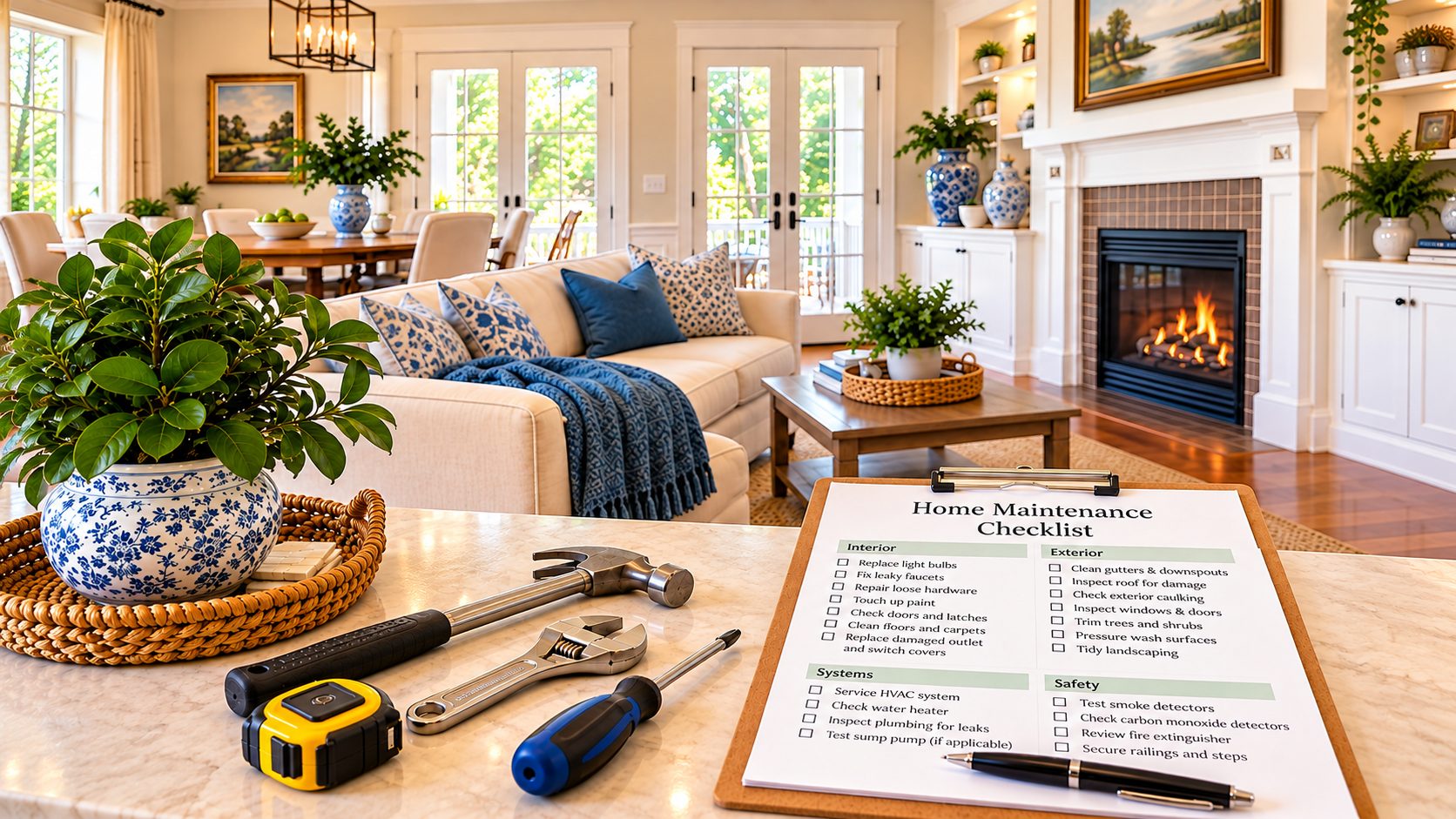
One of the biggest challenges homeowners face when preparing to sell is deciding which repairs are worth making and which ones can wait.
I have sometimes heard sellers say, “Why should I spend more money fixing things when I’m getting ready to move? Let the next owner take care of it.”
I understand that thinking. But here’s what I encourage sellers to consider: The money you spend preparing your home isn’t necessarily for the next owner. It’s an investment in how your home competes in today’s market.
So, which repairs should you make before selling your house?
Start with problems that could affect safety, financing, or the sale itself.
Next, address inexpensive maintenance issues that influence how buyers perceive the property.
Then evaluate inspection concerns and cosmetic repairs based on their potential impact on the sale.
That doesn’t mean fixing everything or spending thousands of dollars. It means knowing which repairs matter and where your money can make the greatest difference.
Start With Repairs That Could Affect the Sale
Before worrying about paint or flooring, I recommend addressing problems that could complicate the transaction.
These include structural concerns, roof or plumbing leaks, electrical hazards, moisture damage, wood rot, termite damage, and broken windows.
Some conditions can affect a buyer’s financing, appraisal, insurance, or willingness to proceed.
For example, here in the Savannah area, wood rot around exterior doors exposed to rain is fairly common. Depending on the extent of deterioration, it can become an issue with FHA or VA appraisals.
The Department of Veterans Affairs updated its property appraisal requirements in 2026, but property condition remains an important consideration for VA-financed purchases.
I’d rather identify a potential concern before listing than discover it when we’re trying to get to closing.
Not every problem must be repaired before listing, but we should understand which ones could create obstacles.
Small Repairs That Build Buyer Confidence
Once we’ve considered the bigger issues, I like to walk through the home room by room.
Many worthwhile repairs cost very little, and a reasonably handy homeowner can tackle several over a weekend.
- Lighting: Replace burned-out bulbs and use consistent light colors within each room.
- Hardware: Tighten loose door handles, drawer pulls, and cabinet hinges.
- Doors: Adjust doors that stick, won’t latch, or slowly swing closed on their own.
- Floors: Investigate excessive squeaking or movement and correct the underlying problem.
- Electrical covers: Replace cracked or damaged switch plates and outlet covers.
- Minor maintenance: Address dripping faucets, deteriorated caulking, loose hardware, and small grout problems.
Routine cleaning matters, too. Pressure washing, clean windows, tidy landscaping, and freshly cleaned carpets can improve the home’s presentation without major expense.
Why do these details matter?
I’ve shown properties where buyers noticed several small maintenance problems and eventually asked whether the house had been a rental.
That tells me they’re no longer looking at each issue individually. They’re wondering how well the entire home has been maintained.
When buyers begin questioning maintenance, they often look more critically at everything else, including the inspection report.
Should You Get a Pre-Listing Inspection?
For homes that aren’t relatively new, I often discuss the value of a pre-listing inspection.
It can uncover problems before a buyer is under contract, giving sellers time to investigate, compare repair estimates, and decide what makes sense without rushing to meet contractual deadlines.
The American Society of Home Inspectors also identifies early planning and fewer last-minute surprises as potential benefits of a pre-listing inspection.
I recommend checking and servicing major systems when appropriate, particularly HVAC equipment before the peak of a Savannah-area summer.
An older system isn’t necessarily a defective system. Age, condition, and functionality are different considerations.
Which Home Repairs Can Wait?
Sometimes, the best strategy is simply being prepared.
For example, if I notice a fogged window, I may recommend getting a replacement estimate and identifying a contractor rather than replacing it immediately.
If a buyer requests the repair later, we already know the approximate cost and who can do the work.
Of course, known defects still need to be handled appropriately, including applicable disclosure requirements. Waiting to make a repair isn’t the same as concealing a problem.
Cosmetic Repairs: What Is Actually Worth Doing?
When evaluating cosmetic repairs, I start with one question:
Does it look clean and in good condition?
A few wall smudges may only need cleaning or touching up. Walls covered in dents, nail holes, damaged corners, and handprints may need drywall repairs and painting.
Carpet is another judgment call.
Sometimes professional cleaning is enough. Other times replacement may help the home compete, particularly when buyers struggle to imagine how a room could look with new flooring.
Depending on the situation, we might replace the carpet before listing, offer a flooring concession, or arrange for buyers to select from samples with installation completed before closing.
We can also obtain estimates and evaluate showing feedback before deciding. If buyers repeatedly object to the carpet, replacing it and updating the listing photos may give the property a fresh opportunity.
Dated Doesn’t Mean Defective
A beautifully maintained 1970s home with original fixtures, cabinetry, and finishes doesn’t necessarily need remodeling.
Some buyers appreciate that character. Others are happy to update gradually after moving in.
For buyers who struggle to visualize improvements, I can arrange for an interior designer to create virtual renovation concepts using photographs of the actual rooms, along with estimated budgets.
That can help buyers see the possibilities without requiring the seller to undertake an expensive renovation.
Some qualified buyers may also be able to finance eligible improvements through a renovation mortgage, such as Fannie Mae’s HomeStyle Renovation program.
Create a Repair Plan Before Listing
When I meet with sellers, we walk through the home together and discuss what needs attention, what they can reasonably handle themselves, and where professional help may be necessary.
We prioritize repairs based on the property’s condition, the seller’s budget, and what could interfere with a successful sale.
We also prepare for possible inspection negotiations.
Even a well-maintained home may generate repair requests. An inspection report isn’t automatically a list of everything the seller must fix. As the Consumer Financial Protection Bureau explains, inspections help buyers understand a property’s condition and identify concerns they may need to resolve during the purchase process.
Sometimes sellers understandably become frustrated over a minor request. That’s when I may ask:
“Are you willing to risk losing this contract and starting over with another buyer over a $150 repair you could probably take care of yourself?”
I’m not suggesting sellers should agree to everything. But sometimes the consequences of refusing a small repair outweigh the cost of simply addressing it.
The important thing is to keep the entire transaction in perspective.
Repairs are also part of the bigger financial picture. If you’re trying to determine how much to budget and what you might walk away with at closing, my article How Much Does It Cost to Sell a Home in Georgia? explains the other expenses to consider.
The Right Repairs Are an Investment in Your Sale
Preparing your home for sale isn’t about making everything perfect or spending money unnecessarily.
It’s about identifying what genuinely needs attention, making sensible decisions, and presenting a property that gives buyers confidence.
Not every repair will produce a measurable increase in the selling price. Sometimes the benefit comes through stronger buyer interest, fewer objections, or smoother negotiations.
The right repairs aren’t simply something you’re doing for the next homeowner. They’re part of protecting your own investment as you prepare to sell.
— Sharie McCormack
Service you deserve. People you trust.
Thinking about your next move? Explore homes currently available in the Savannah area using the property search feature on my website.
Looking for more real estate insights? You may also enjoy Home Pricing Mistakes Sellers Should Avoid, where I explain how pricing decisions influence buyer interest and the outcome of a sale.


