

 Facebook
 X
X
 Pinterest
 Copy Link
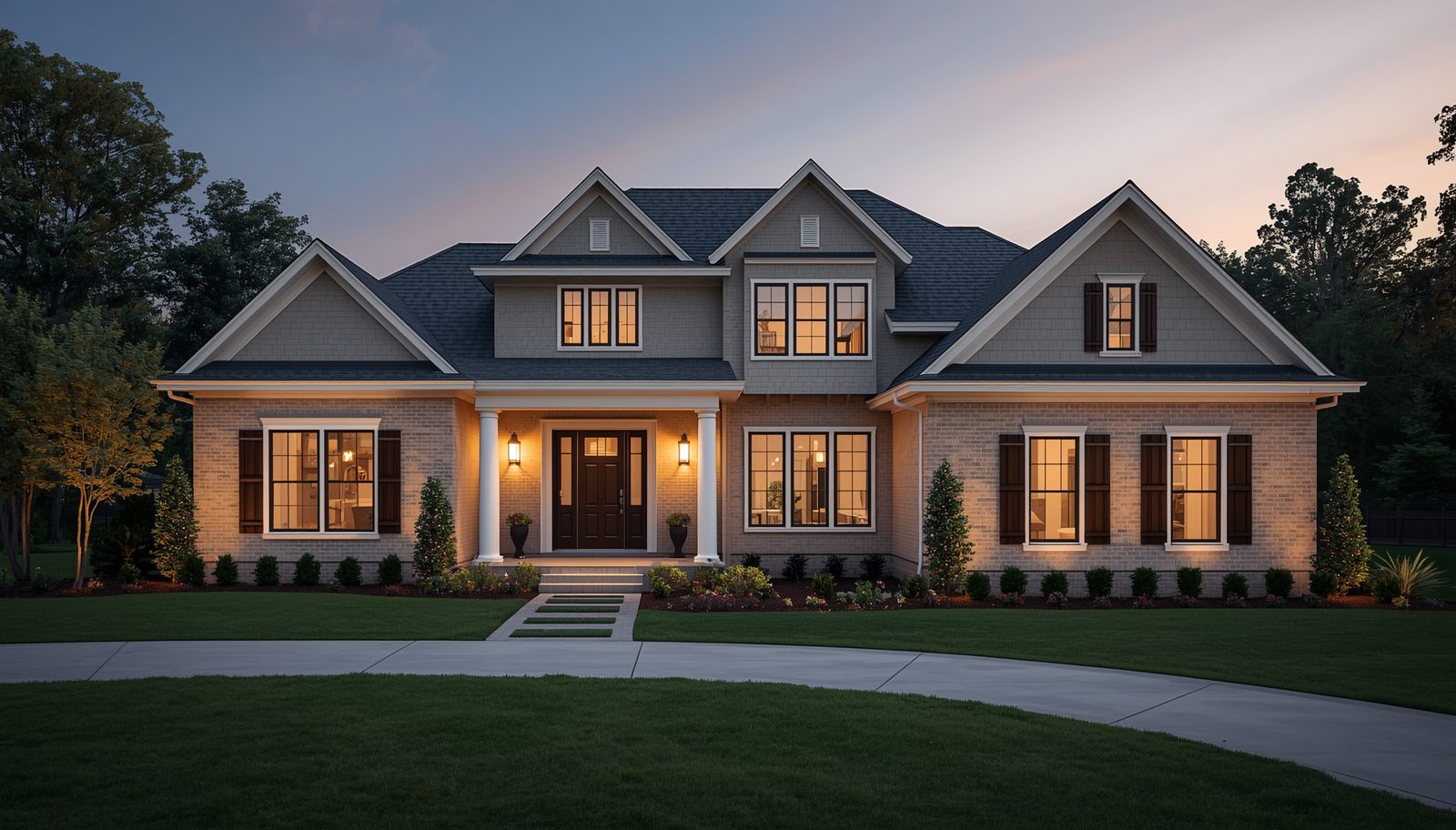
In today’s market, thoughtful home pricing strategy can influence everything from buyer perception and online visibility to showing activity and negotiating power.
Pricing a home successfully involves more than simply choosing a number. Today’s buyers have access to more online tools, market data, property history, and home comparison websites than ever before — and many have already researched a property extensively before they ever contact an agent or schedule a showing.
Because buyers are comparing homes so quickly and carefully online, pricing strategy plays a major role in how a property is perceived, how much attention it receives, and ultimately how successfully it sells.
Mistake #1 — Home Pricing Based on Emotion Instead of Market Behavior
Sellers naturally have emotional ties to their homes. Memories, upgrades, time, effort, and pride all matter — but buyers evaluate homes differently.
Today’s buyers are comparing your property against every other active listing online within seconds. Buyers are often evaluating factors such as:
- price
- condition
- location
- upgrades
- lot size
- age
- competition
- and monthly payment impact
A home can be beautiful and still struggle if buyers perceive the pricing as too aggressive compared to other available options they are seeing online.
One of the most common mistakes sellers make is assuming they can simply “price high and see what happens.” While that approach may sound harmless, it can sometimes lead to a home sitting on the market longer than expected while buyers move on to other properties they feel are priced more competitively.
Mistake #2 — Ignoring the Competition
One of the biggest pricing mistakes sellers make is evaluating their home in isolation instead of understanding what buyers are comparing it against in real time.
In many markets, resale homes are competing directly with:
- new construction
- builder incentives
- rate buy-downs
- closing cost assistance
- warranties
- and newer finishes
Even when a resale home offers advantages such as mature landscaping, larger lots, established neighborhoods, or custom upgrades, pricing still has to make sense relative to what buyers are seeing elsewhere online.
Buyers don’t just compare homes to recently sold properties — they compare them to everything currently available.
In addition to the market analysis and comparable property data your real estate professional provides, sellers also have access to many of the same online tools buyers are using to research homes and compare properties.
One of the best ways to gain additional perspective before listing is to visit a couple of comparable open houses. Seeing competing properties in person can often help sellers better understand the pricing, condition, presentation, and overall competition their real estate professional has already outlined through the comparative market analysis process.
Even a small amount of firsthand perspective can help sellers view their own home more objectively through a buyer’s eyes.
It can also help identify simple opportunities to strengthen a home’s presentation before it hits the market — whether through decluttering, small repairs, curb appeal improvements, or minor cosmetic updates.
Many of the suggestions a real estate professional may make before listing do not necessarily involve major expense. In fact, some of the most impactful changes can cost little or nothing at all while making a significant difference in how a home appears in photos, online, and during showings.
Mistake #3 — “We Can Always Reduce the Price Later”
This is one of the most common misconceptions sellers have.
The first days on the market are often when a listing receives the highest level of attention. New listings generate curiosity, alerts, and stronger showing activity.
When a home starts too high and requires multiple reductions later:
- buyers begin wondering what’s wrong
- negotiating leverage weakens
- the listing can become “stale”
- and sellers sometimes end up chasing the market downward
The longer a home remains on the market without strong activity, the more sellers often find themselves needing to make price reductions later — sometimes repeatedly — in an effort to regain buyer attention. This is often referred to as “chasing the market.”
The challenge is that buyers tend to notice price reductions differently than they notice a well-positioned new listing. Instead of creating excitement, multiple reductions can sometimes lead buyers to wonder:
- Is something wrong with the property?
- Has the seller become more negotiable?
- Should they wait longer for another reduction?
Strategic pricing from the beginning is not about underpricing a home. It is about positioning it where it attracts strong attention early, creates better momentum, and helps protect the seller’s negotiating position throughout the process.
Mistake #4 — Overlooking How Buyers Search Online
Most buyers begin their search online, and pricing thresholds matter more than many sellers realize.
For example:
- a home priced at $510,000 may not appear in searches capped at $500,000
- a home at $505,000 may miss entire buyer groups using rounded search filters
Small pricing adjustments can dramatically increase visibility and showing activity.
Pricing is not just about value — it is also about positioning and exposure.
Home Pricing Is More Than Picking a Number
Effective pricing is rarely based on a single factor alone. It involves balancing current market conditions, competing inventory, buyer behavior, online visibility, timing, and overall negotiation strategy.
A well-positioned price can influence everything from showing activity and buyer perception to the strength of offers a seller ultimately receives.
The goal is not simply to place a home on the market — it is to position the property in a way that creates the strongest possible opportunity for success.
In Closing
Market conditions can vary significantly from one Savannah-area community to another, and every home, property, and seller situation is unique. A thoughtful pricing strategy should consider not only comparable sales, but also current competition, buyer behavior, timing, market conditions, and how today’s buyers are searching for and evaluating homes online.
Whether you are preparing to sell now or simply planning ahead for the future, understanding how pricing influences buyer interest and overall market response can play a significant role in the success of your sale.
— Sharie McCormack
Service you deserve. People you trust.
Explore homes currently available in the Savannah area using the property search feature on my website.


